
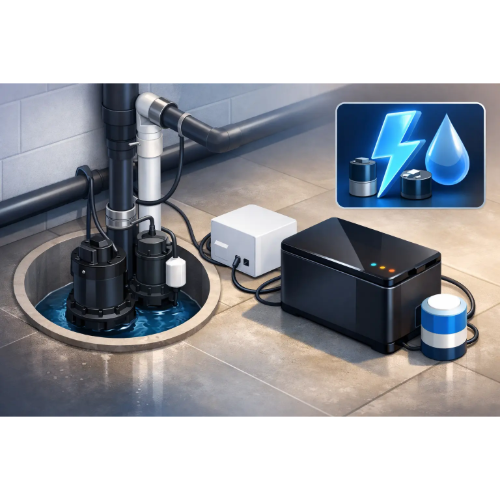
Ion Backup System Review for Sump Reliability
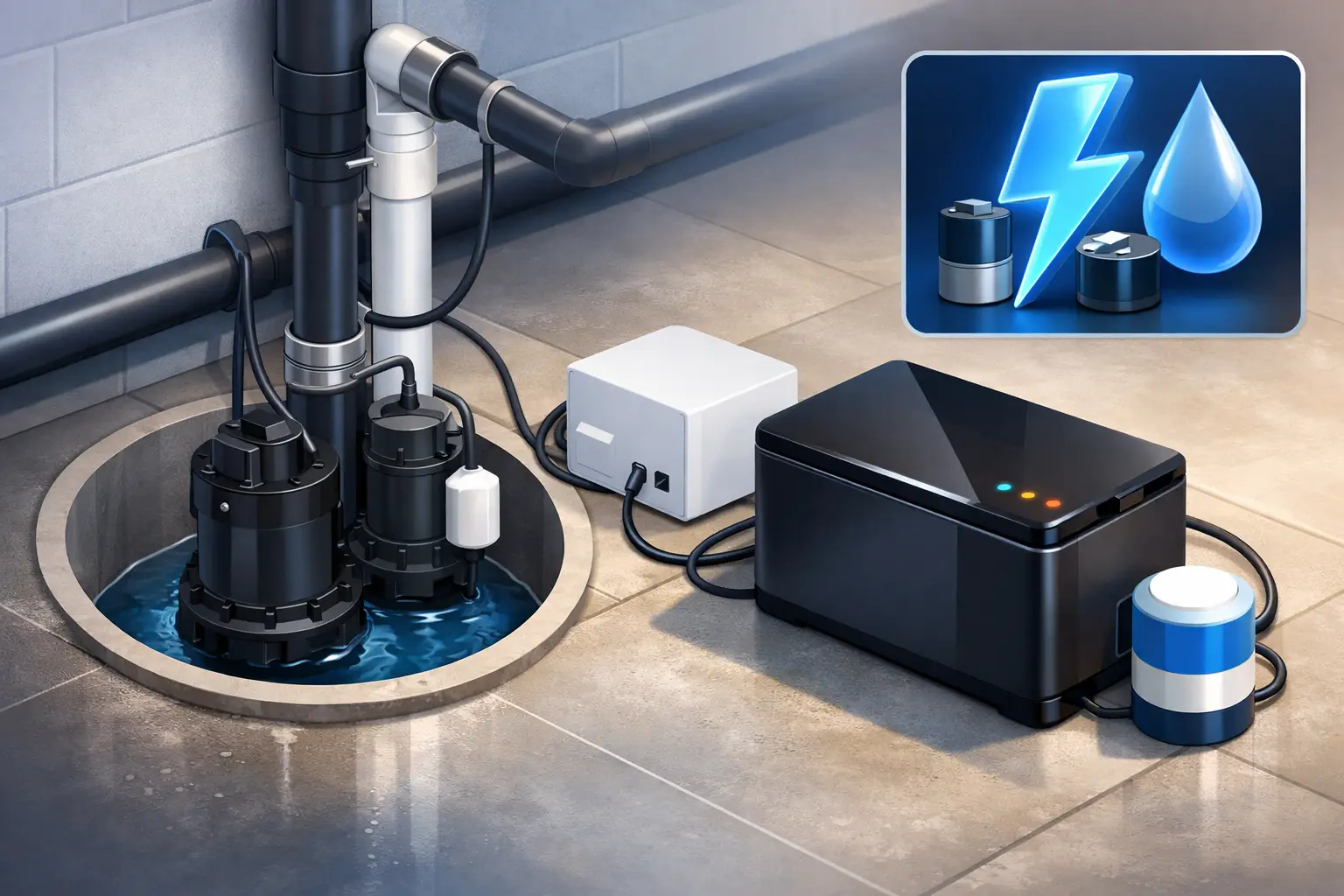
A backup sump system only matters on the worst day - when utility power is out, groundwater is rising, and the primary pump is either overwhelmed or offline. That is exactly where an ion backup system review needs to focus. The right question is not whether a backup unit looks good on a spec sheet. It is whether the system can detect trouble early, switch over correctly, and move enough water to limit damage under real basement conditions.
Ion backup systems have earned attention because they are not built around a basic float-and-battery approach alone. The product family is known for controller-based operation, monitoring features, and system configurations that appeal to buyers who want more visibility into pump status. For homeowners, that can mean better warning when something is wrong. For contractors and facility operators, it can mean a more controlled and serviceable installation. Still, no backup system is universally right for every pit, inflow rate, or risk profile.
What stands out in an ion backup system review
The defining feature in most Ion backup setups is the control logic. Instead of relying only on a conventional mechanical switch, many Ion systems use a controller that monitors conditions and manages pump operation with more precision. That matters because some sump failures are not caused by the pump motor itself. They start with switch issues, poor level control, or lack of warning before the system reaches a critical point.
In practice, this design can improve consistency. A controller-based backup system may offer clearer alarm functions, more predictable activation points, and better status indication than stripped-down battery backup packages. If you maintain multiple properties or service systems professionally, that added visibility is often one of the strongest reasons to consider Ion equipment.
The trade-off is straightforward. More control features usually mean more components, more setup detail, and a stronger need to match the system correctly to the application. Buyers looking for the absolute lowest-cost emergency backup may find simpler systems less expensive upfront. Buyers focused on reliability, diagnostics, and replacement compatibility often see the value differently.
How Ion backup systems perform in real sump applications
Performance depends on three things more than brand name alone: pump capacity, battery reserve, and the actual water load entering the basin during an outage. That is where any honest ion backup system review has to slow down. A backup system can be well designed and still underperform if it is installed in a high-inflow pit with an undersized battery bank or unrealistic runtime expectations.
Ion backup systems are generally best suited for applications where the buyer wants a dedicated emergency pumping layer rather than a minimal alarm-only safeguard. In a typical residential basement with intermittent groundwater intrusion, a properly matched Ion setup can provide meaningful protection during short to moderate outages. In heavier seepage conditions, performance becomes more dependent on discharge head, battery condition, pipe sizing, and how often the backup pump has to cycle.
For contractors, one practical advantage is that controller-based systems are easier to explain to the end user when service calls come up. If the system provides a clear alarm state or operating indicator, troubleshooting is often faster than with a backup package that gives little feedback beyond whether the pump runs or does not run.
That does not mean every site is an easy fit. If the basin is unusually narrow, the discharge layout is tight, or the homeowner is trying to add backup protection around an existing mix of older components, installation planning matters. Backup systems are only as dependable as the way they are integrated into the pit and discharge assembly.
Ion backup system review: key strengths
One of the strongest points is monitoring. When a basement floods, the failure often happened long before water reached the floor. Alarm capability and controller feedback can reduce that gap. Instead of learning about a problem only after the primary system stops keeping up, the user may get earlier notice of power loss, abnormal cycling, or backup operation.
Another strength is product specialization. Ion systems are part of a broader ecosystem of pumps, controllers, switches, and replacement parts. That matters for long-term ownership. A backup system is not a one-time purchase in the way a basic utility pump might be. Batteries age out, sensors can require replacement, and serviceability becomes a real issue after several years. Systems backed by identifiable components and compatible replacements usually hold up better from a maintenance standpoint.
There is also value in application-specific selection. A specialized supplier such as SumpDirect can help buyers narrow choices by pump type, horsepower, controller family, and pit requirements rather than treating backup systems as generic accessories. That reduces the odds of ending up with a package that technically fits in the cart but not in the basin.
Where the limitations show up
Battery backup always involves compromise. No battery-operated sump system can promise indefinite pumping during an extended outage with heavy inflow. If your site takes on large volumes of water for many hours at a time, a battery backup may buy time, but it may not carry the load all night without careful sizing and realistic expectations.
Battery maintenance is another point buyers sometimes underestimate. Even a well-built Ion backup system still depends on battery health. If the battery is not tested, maintained, and replaced on schedule, the quality of the controller and pump will not rescue the system when power fails. This is especially important in second homes, rental properties, and buildings where no one checks the pit regularly.
Cost can also be a factor. Ion systems are usually considered by buyers who want a more engineered solution, not the cheapest emergency add-on. That higher level of control and specialization is often justified, but it is still a real consideration for smaller residential projects.
Who should consider an Ion backup system
Ion backup systems make the most sense for buyers who take basement water management seriously enough to want more than a simple secondary pump. That includes homeowners with finished basements, property managers responsible for multiple units, and contractors installing systems where callback risk needs to stay low.
They are also a strong fit when alarm visibility matters. If the property is occupied irregularly, if the basement contains finished space or equipment, or if the owner wants clearer operating status, the controller-based approach has practical value. In those cases, the backup system is not just there to pump water. It is there to communicate system condition before a small issue becomes a major loss.
On the other hand, if the application is very light-duty, the budget is tight, and the user is comfortable with fewer diagnostics, a simpler backup package may be sufficient. The right answer depends on the consequences of failure. In an unfinished utility basement with low water risk, the cost-benefit calculation looks different than it does in a finished lower level with flooring, drywall, and mechanical equipment at stake.
What to check before buying
Start with the water problem, not the product. Look at how often the primary pump runs during storms, how high the vertical lift is, and whether the basin has enough room for proper backup installation. A backup system should be selected around actual pumping demand and pit geometry, not just brand preference.
Next, check how the backup system will interact with the existing primary setup. Controller type, discharge configuration, check valve placement, and available power all affect installation quality. If the goal is long-term serviceability, replacement part availability should also be part of the decision.
Finally, be realistic about runtime. Battery backup performance is tied to battery size, pump load, and cycle frequency. If the site has long outage exposure or severe inflow, it may be worth considering a higher-capacity configuration or a broader water-management plan rather than assuming any battery backup will solve every outage scenario.
Final take on this ion backup system review
Ion backup systems are a strong option for buyers who want dependable emergency sump protection with better monitoring and more structured control than basic backup packages usually provide. Their value is clearest in applications where alarms, diagnostics, and replacement compatibility matter just as much as pumping water. They are not immune to the usual limits of battery backup, and they still have to be sized correctly for the pit and water load. But when the application is matched properly, an Ion system gives you more than a backup pump - it gives you a clearer picture of what your sump system is doing when conditions are at their worst.
If you are comparing options, the smartest move is to treat backup protection as a system decision, not a single-product decision.