
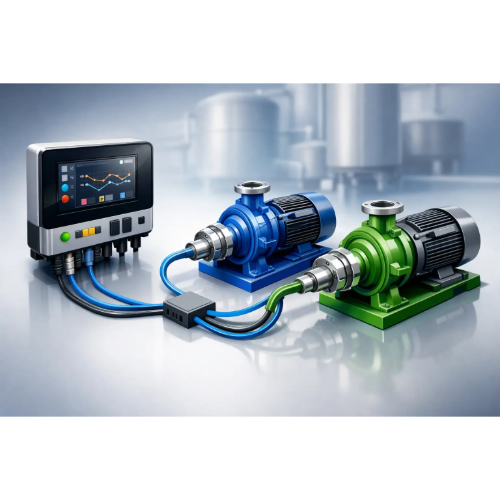
Can One Controller Run Two Pumps?
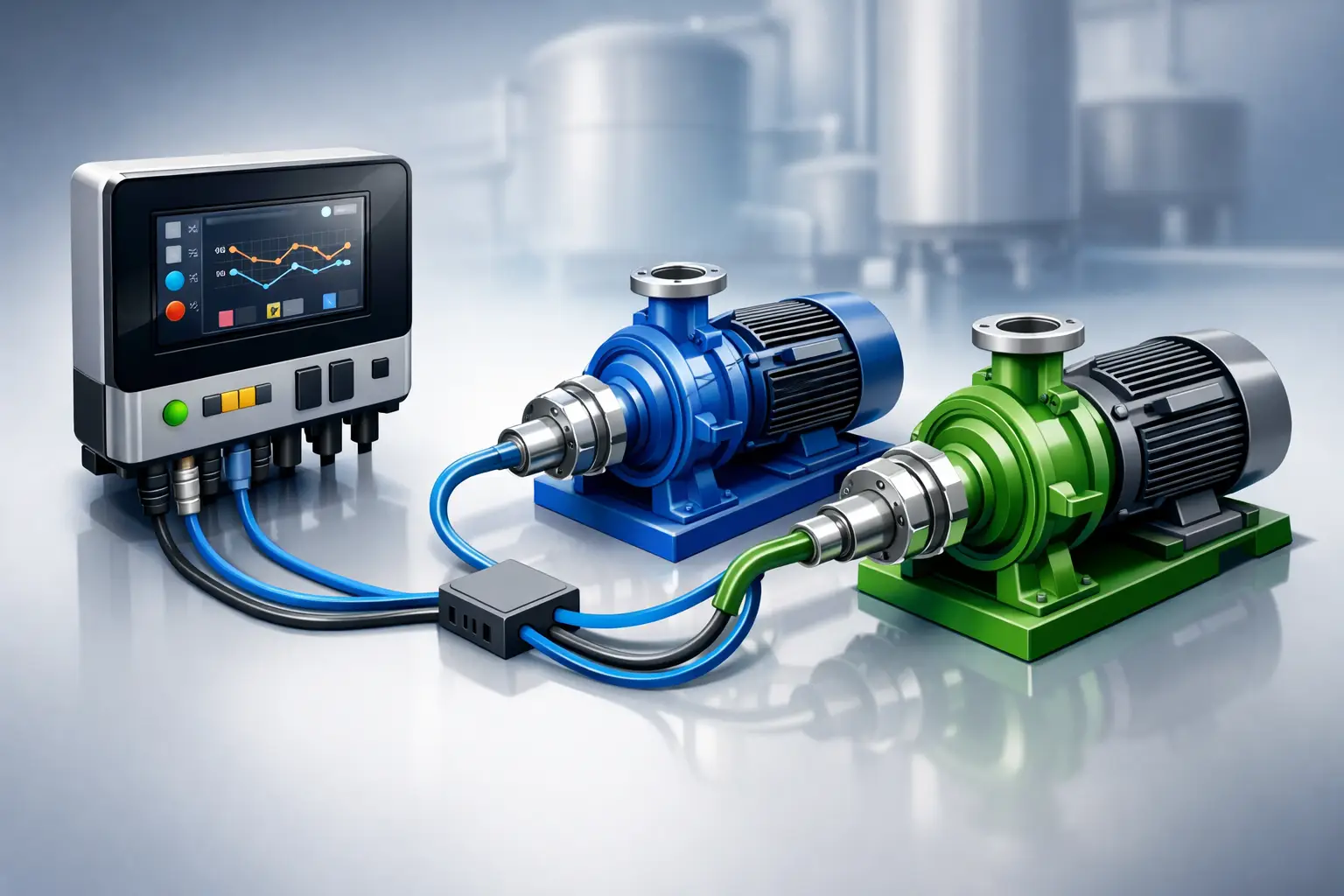
A wet basement usually exposes equipment decisions fast. One of the most common questions is can one controller run two pumps, especially when a single-pump system starts reaching its limits or redundancy becomes a priority. The short answer is yes, but only if the controller is specifically designed for two-pump operation and the rest of the system is matched to that control strategy.
That distinction matters. In sump, sewage, and effluent applications, a two-pump system is not just one extra pump added to the pit. It is a coordinated setup that depends on the controller, level sensing, alarm logic, pump amperage, and power supply all working together. If any of those pieces are mismatched, the result can be nuisance alarms, short cycling, uneven wear, or complete loss of pumping when demand is highest.
When one controller can run two pumps
One controller can run two pumps when it is built as a duplex controller or multi-pump controller. These panels are designed to monitor water level and stage pump operation based on demand. In a typical duplex setup, the controller starts one pump at the lead level, then starts the second pump if water continues to rise to a lag level. Many controllers also alternate which pump starts first so both pumps accumulate similar runtime.
That is the ideal use case for a single controller running two pumps. It provides capacity during heavy inflow and adds redundancy if one pump fails. In a residential sump pit, that can help in high groundwater conditions. In a commercial basin or multifamily installation, it is often the standard way to manage variable inflow without oversizing a single pump.
What does not work well is trying to make a single-pump controller manage two independent pumps by splicing wiring or sharing a float arrangement that was not intended for duplex control. A controller has to be able to handle each motor load, interpret level signals correctly, and sequence operation with clear logic. Without that, the second pump is not truly controlled - it is just connected.
Can one controller run two pumps in every system?
No. Whether one controller can run two pumps depends on the pump type, motor characteristics, basin design, and the control method.
For example, two identical sump pumps in the same basin are usually much easier to control from one duplex panel than two dissimilar pumps with different flow rates or electrical requirements. If one pump is 120V and the other is 230V, or one has much higher full-load amperage, the controller has to be rated for both. If it is not, the panel may be unsafe or noncompliant.
It also depends on application. Clear-water sump systems are more forgiving than sewage systems, where solids handling, basin turbulence, and pump timing become more critical. In effluent and sewage basins, the control scheme often needs tighter attention to off levels, alarm points, and anti-short-cycle timing.
Battery backup systems are another case where people often assume one controller can do more than it should. A primary AC controller and a battery backup controller may share space in the same basin, but that does not mean one controller is intended to operate both pumps as a duplex pair. Backup systems are usually designed around emergency operation, not alternating duty cycles between two primary pumps.
What a two-pump controller actually does
A proper two-pump controller does more than turn pumps on and off. It manages sequence, protection, and fault response.
The first key function is alternation. Pump 1 handles one cycle, Pump 2 handles the next. That keeps wear more even and reduces the chance that one pump sits idle for months only to fail when finally needed.
The second is lag operation. If incoming water exceeds the capacity of one pump, the controller adds the second pump at a higher water level. This is what gives a duplex system its surge-handling value.
The third is alarm and failure logic. If the water reaches a high level, the controller can trigger an alarm. If one pump does not reduce the level as expected, the controller can call for the second pump. More advanced panels can indicate which pump faulted or whether a float or sensor issue is present.
The fourth is motor protection. Depending on panel design, that may include overload protection, breakers, hand-off-auto switches, seal failure inputs, or thermal protection monitoring. These are not extra conveniences. They are part of what makes a multi-pump system dependable.
The control methods matter more than most buyers expect
In basic sump applications, float switches are common. In more advanced systems, a controller may use multiple discrete floats or a pressure transducer. Either can work, but the logic has to match the basin and the pumps.
Float-based duplex control is straightforward and serviceable. A lower float establishes the stop point, a lead float starts the duty pump, a lag float starts the second pump, and a high-water float handles alarm. This works well in many residential and light commercial basins if the floats have enough room to move freely.
Sensor-based control can offer tighter level control and less clutter inside the basin. It can also be useful where float interference is a concern. But it requires a compatible controller and proper setup. If the system is not calibrated correctly, the controller may bring pumps on too early, too late, or too often.
That is one of the biggest trade-offs with the question can one controller run two pumps. Yes, it can, but only when the controller and sensing method are chosen as part of the same system rather than as separate parts that happen to fit in the same pit.
Sizing and electrical limits are where mistakes happen
The most common error is focusing only on pump count. Two pumps on one controller sounds simple, but the controller must be rated for the actual electrical load.
Start with voltage. The panel has to match the pumps. Then check full-load amps and starting characteristics. Some controllers are suitable for specific horsepower ranges only. Exceeding those limits can damage contacts, trip breakers, or create unreliable starts under load.
Next, think about inflow and discharge capacity. Two pumps do not automatically double system performance if the discharge piping is undersized or poorly configured. A shared discharge manifold, check valves, and pipe diameter all affect what the system can actually move. If the piping is restrictive, the second pump may add less capacity than expected.
Basin size also matters. In a small pit, two pumps and multiple floats can create crowding. That can affect float travel, pump cooling, and service access. In those cases, a pre-engineered package or a controller-and-basin combination designed for duplex use is usually a better path than adapting a standard single-pump basin.
When a two-pump controller is the right move
A single controller running two pumps makes the most sense when you need one of three things: more capacity during peak inflow, operating redundancy, or balanced runtime across two primary pumps.
For homeowners, this often comes up when one sump pump cannot keep up during storms, or when the property has a history of flooding and pump failure is not an acceptable risk. For contractors and property managers, duplex control is common in larger basins, multi-unit properties, and sites where service calls are expensive and downtime is unacceptable.
It can also make sense where maintenance planning matters. Alternating controllers help ensure both pumps are exercised regularly. That is a practical advantage because an idle standby pump may not reveal a seized float, debris issue, or motor problem until the primary pump has already been overwhelmed.
When separate controls may be better
There are situations where separate controls are the better choice. A primary sump pump paired with a battery backup pump is a common example. Those systems usually serve different roles and should not be forced into one operating logic.
Separate controls can also make sense if the pumps are different sizes, have different duty expectations, or are installed in different basins. In some retrofit applications, replacing the entire control scheme with a duplex panel may be more work than the site justifies.
The trade-off is coordination. Separate controls can provide redundancy, but they do not offer true alternation or managed lag staging unless the design specifically accounts for it.
What to verify before buying
Before selecting any controller for two pumps, verify the application type, pump voltage, motor amperage, horsepower, sensor method, alarm requirements, and whether alternation is needed. Also verify basin dimensions and discharge layout. Those details determine compatibility more than the broad label on the box.
If you are replacing an existing panel, confirm whether the current system uses piggyback floats, bare leads to a control panel, or sensor inputs. Replacement is much easier when you match the original control architecture rather than assuming any two-pump controller will substitute for it.
For buyers sourcing from a specialized supplier like SumpDirect, this is where product depth matters. Matching controller family, pump type, and replacement components usually prevents the costly guesswork that happens when a duplex system is treated like a generic sump setup.
If you are asking can one controller run two pumps, the useful answer is this: one properly selected controller can run two pumps very well, but only when it is designed for duplex operation and sized to the exact pumps and basin it is controlling. Get that part right, and the system is working for you before the next heavy rain puts it to the test.